How to Label Microscope Slides Correctly
Table of Content
[Hide]
Accurate microscope slide labeling is a core element of laboratory quality control and specimen traceability. Every slide represents critical biological or clinical data, and its identity must remain clear throughout preparation, staining, analysis, and storage. Improper labeling may lead to misidentification, repeated testing, or compromised results. In clinical environments, labeling errors can directly affect diagnostic outcomes. In this guide, we explain how to label microscope slides correctly within laboratory workflows and outline best practices for consistent, reliable identification.
Why Proper Labeling Matters?
Proper slide labeling ensures that specimens can be accurately tracked throughout the laboratory process. It supports data integrity, workflow efficiency, and compliance with laboratory standards. Incorrect labeling can lead to:
Misidentification of specimens
Diagnostic errors
Repeated or unnecessary testing
Compliance and regulatory risks
Loss of data integrity
Clear and durable labeling is essential to maintaining accuracy and reliability in laboratory environments. Proper identification also helps technicians quickly locate and verify samples during analysis.
Step-by-Step Guide to Correct Slide Labeling
Step 1: Prepare the Slide Surface Properly
Ensure the slide surface is clean and dry before applying any label. Contaminants such as dust, oil, or moisture can reduce adhesive performance and lead to label failure during processing.
Step 2: Select Suitable Label Materials
Microscope slide labels must withstand harsh laboratory conditions, including exposure to:
· Alcohol and disinfectants
· Xylene and staining reagents
· High temperatures during processing
· Freezing or cryogenic storage
High-performance synthetic materials such as polyester are commonly used because they maintain adhesion and legibility under these conditions. Slide labels are typically engineered to resist chemical exposure without smudging or fading.
Step 3: Use a Dedicated Slide Label Printer
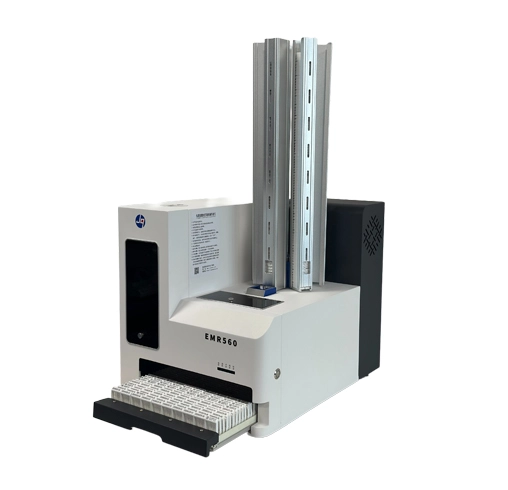
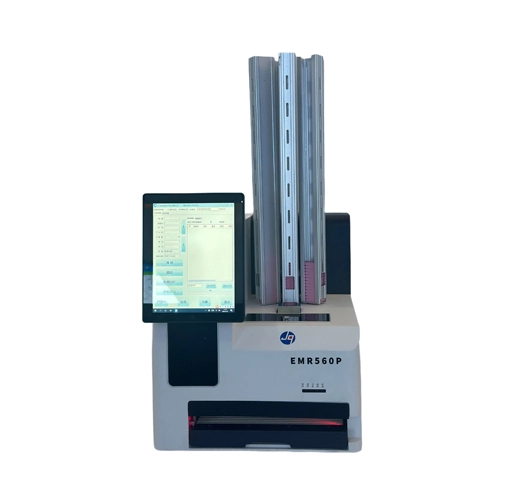
Handwritten labeling introduces variability and increases the risk of errors. A microscope slide label printer ensures:
· Consistent font size and formatting
· Clear and scannable barcodes
· Accurate alignment on small label formats
· Smudge-resistant and durable printing
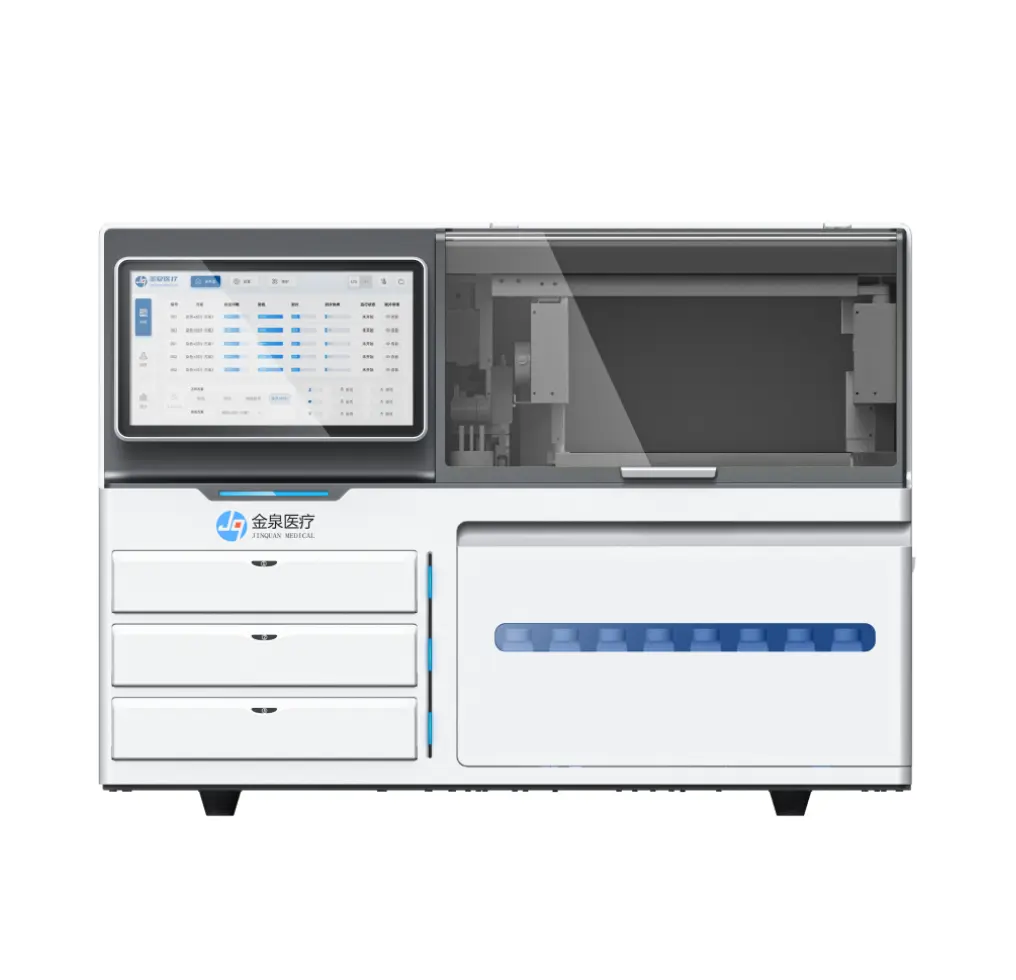
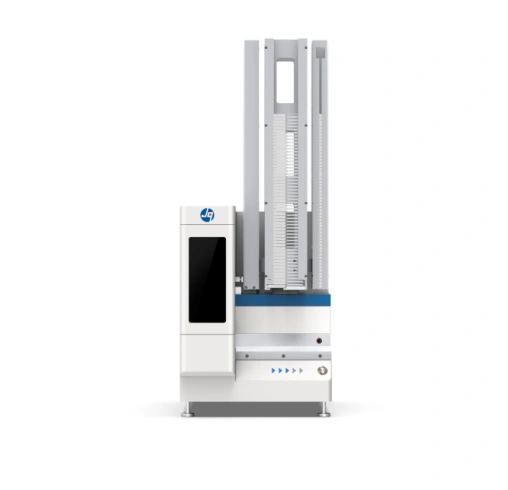
Advanced slide labeling systems, such as those provided by Jinquan, are designed to ensure precise alignment and reliable output for laboratory applications.
Step 4: Include Essential Information
Each slide label should contain key identifiers, including:
· Sample ID
· Patient ID or case number
· Date of preparation
· Technician initials (if required)
· Barcode or QR code for tracking
The label layout should be clear and uncluttered to maintain readability and scanning accuracy.
Step 5: Apply the Label Correctly
Labels should be applied:
· On the designated frosted end of the slide
· Without covering the specimen area
· Smoothly, avoiding air bubbles or wrinkles
Incorrect placement can interfere with microscopy or automated scanning systems.
Step 6: Verify Before Processing
Before staining or analysis, verify that:
· The barcode scans correctly
· The information matches laboratory records
· The label is securely adhered
This step is essential to prevent downstream errors.
Recommended Label Materials for Microscope Slides
Selecting the correct label material is critical. A typical slide label consists of:
· Facestock: Synthetic materials (e.g., polyester) for durability
· Adhesive: Designed for strong bonding to glass surfaces
· Print compatibility: Suitable for thermal transfer or laser printing
Labels must withstand repeated exposure to solvents, temperature changes, and handling without degradation.
Quality Control in Slide Labeling
Slide labeling is not a one-time action but part of a broader quality control system. Slides often pass through multiple processing stages, including staining, heating, and storage, each placing stress on label performance. Implementing standardized labeling procedures helps laboratories:
· Reduce human error
· Maintain traceability
· Improve workflow efficiency
· Support regulatory compliance
Integration with LIS/LIMS systems further enhances accuracy by automating label generation and reducing manual data entry.
Common Mistakes to Avoid
· Using labels that are not chemical-resistant
· Printing low-resolution or unreadable barcodes
· Applying labels to wet or contaminated surfaces
· Skipping verification before processing
· Overcrowding label content
Conclusion
Correct microscope slide labeling is a structured process that combines proper materials, accurate printing, and careful application. It plays a vital role in ensuring specimen traceability and maintaining laboratory accuracy. Jinquan supports laboratories with high-quality slide label printers designed for precision, compatibility, and ease of use. By following established best practices, laboratories can minimize labeling errors and maintain reliable identification throughout all stages of analysis.